Six Broken Bones Later: What Injury Actually Teaches You
I’ve broken six bones since I started training in martial arts.
I don’t recommend it.
There are probably easier ways to learn some of the lessons I’ve learned over the last six years, but apparently I’m the kind of person who occasionally needs the lesson delivered through an X-ray.
My first broken bone happened when I was a purple belt.
I was training with one of my senseis and working on moving and blocking at the same time. He was throwing kicks at me, and I kept telling him to go faster.
“Faster.” So he went faster. “No, seriously. Go Faster.”
Eventually, he obliged.
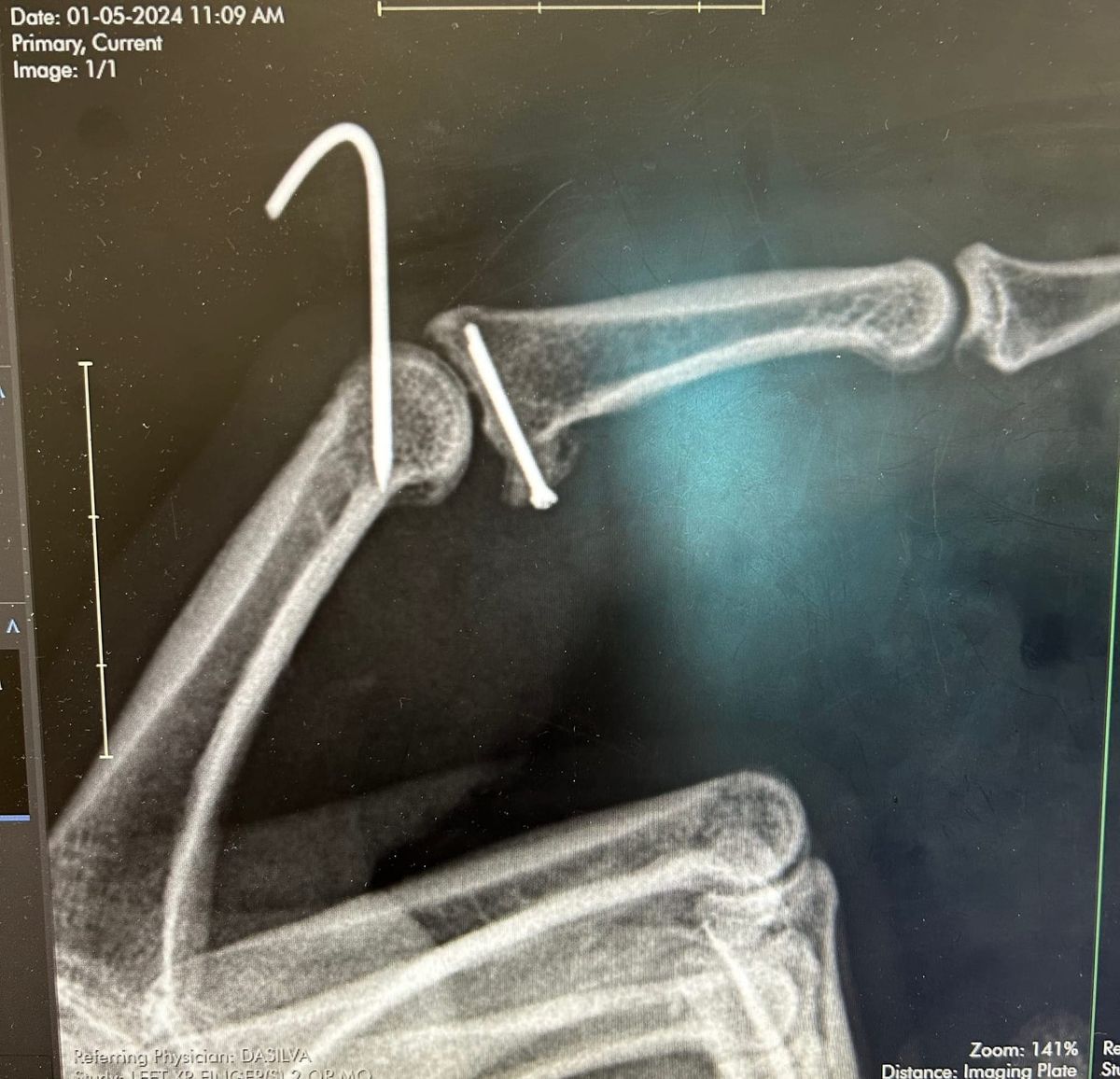
The kick came in hard and fast and I moved to block it. The problem was that I hadn’t completely closed my fist. His kick caught my left hand and shattered the middle knuckle.
I knew immediately that something was wrong.
That one required surgery. To this day, I have two tiny pins permanently holding my middle finger together.
And somewhere inside that hand is probably the first real lesson martial arts taught me about ego.
I wanted to prove that I could handle the speed. I wanted to push the drill. I wanted to see what I was capable of.
There’s nothing wrong with any of that.
But there’s a difference between pushing yourself and pretending you’re invincible.
Your body doesn’t care what belt you’re wearing. It doesn’t care how tough you think you are. It doesn’t care that you’ve done the drill a hundred times before.
Leave your hand open at the wrong moment and a kick is still a kick.
Lesson learned.
You would think that after surgery and rehabilitation I would have become significantly smarter.
I did not.
Once the hand healed, I proceeded to break both of my pinkies.
Different times. Same basic reason. Showing off.
I had gotten pretty good at running rolls and apparently decided that the best use of this newfound ability was to see how ridiculously far I could launch myself through the air before hitting the ground.
One pinkie. Then, later, the other pinkie.
Those breaks taught me something slightly different.
Good technique can make difficult things look easy. And when difficult things start feeling easy, that’s sometimes when you get stupid.
Confidence is useful. Confidence lets you commit to a technique instead of hesitating halfway through it.
But confidence can quietly turn into performance. You stop practicing the thing and start showing everyone that you can do the thing. Those are two very different mindsets.
My next break came during a kids class.
I was kneeling in seiza position and decided to demonstrate jumping directly up from the floor into a zenkutsu dachi — a forward stance. I've done this plenty of times. But on this day, I wasn't feeling it.
So, what did I do? I jumped.
My left foot came forward.
My big toe did not cooperate.
Instead of landing normally, the toe rolled underneath my foot and took the full weight of my body.
I immediately yelled:
“SHIT. THAT’S BROKEN.” Very loudly. In front of the entire kids class.
There was a brief moment where every kid in the dojo looked at me like they had just witnessed Sensei completely lose his mind.
Then the toe started bleeding.
I had partially ripped the toenail away from the toe, and when I eventually got it X-rayed, sure enough, there was a small fracture.
That one taught me about mechanics.
The body is incredibly capable, but it has rules. Alignment matters. Structure matters. Where your weight goes matters.
You can have the right idea and still execute it badly enough to hurt yourself, especially if your body is telling you "it's not your day!"
That applies to a punch, a kick, a throw, a stance, a roll, or simply getting your ass off the floor. Technique exists for a reason.
And then there’s my right elbow.
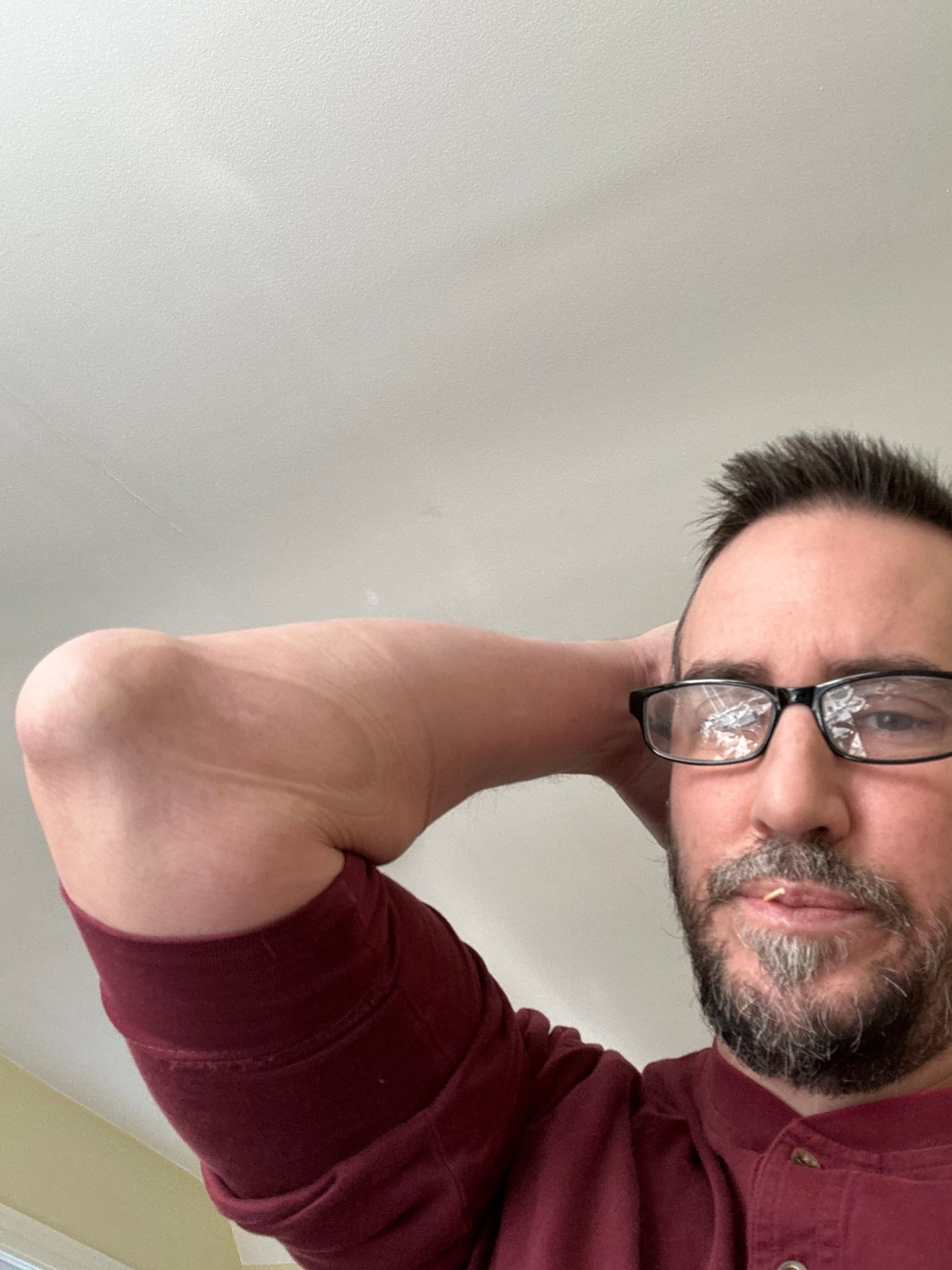
I broke that twice.
Not once. Twice.
There is still a piece of bone floating underneath the skin of my elbow. I can actually move it around with my fingers, which is simultaneously kind of fascinating and kind of disgusting.
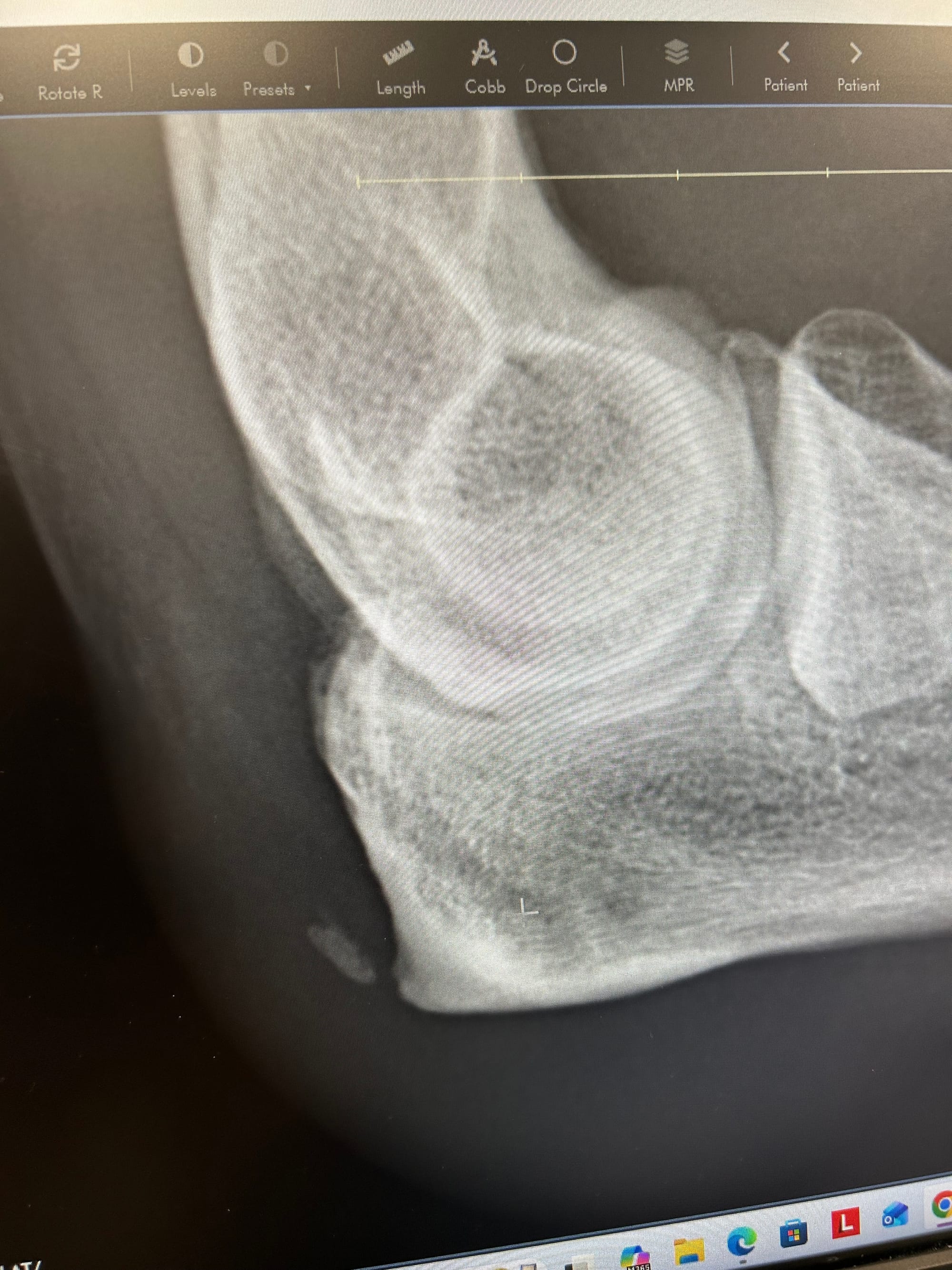
By that point, injury had become a different kind of teacher.
Because injuries eventually start teaching you about longevity.
When you’re new, you think about what your body can do today.
As you get older and spend more years training, you start thinking about what you want your body to still be able to do ten years from now.
I want to train for the rest of my life.
That changes the equation.
Training hard matters. Pushing yourself matters. Getting uncomfortable matters. There are days when you should be exhausted, bruised, frustrated and wondering why something that looked so simple absolutely refuses to work.
But destroying yourself isn't the goal.
I’ve become much more interested in understanding the difference between discomfort and damage.
One makes you better. The other might just make you unavailable for class for six weeks.
Six broken bones have also made me appreciate something else about martial arts that I think gets sanitized sometimes.
There are consequences.
We are practicing movements designed to affect another human body. We punch. We kick. We throw. We lock joints. We fall on the ground. We move people and get moved by people.
We should train safely. We should take care of our partners. We should exercise control.
But there is no way to completely remove consequence from physical training.
And I’m not sure we should want to.
There’s something valuable about discovering that your body has limits.
There’s something valuable about realizing you aren’t invincible.
There’s something valuable about getting hurt, healing, coming back and realizing that you're still willing to step onto the floor.
Breaking yourself doesn’t make you tough. Coming back smarter might.
I wish I could say every injury immediately transformed me into a wiser martial artist. Clearly that isn’t true. I broke six bones. Apparently some lessons required repetition.
But each one took a little ego away. Each one made me pay closer attention to technique. Each one reminded me that function has consequences.
That’s probably why function over form means more to me now than it did when I first started training.
Form can look perfect. Function has to survive contact with reality.
Sometimes reality is a kick that shatters your knuckle. Sometimes it’s a badly placed foot.
Sometimes it’s a piece of your elbow floating around underneath your skin for the rest of your life.
Real training has real consequences.
You respect your body. You respect your training partners. You learn the mechanics. You control what you can control.
And every once in a while, you learn something the hard way.
Six broken bones later, I’m still training.
Just slightly less reckless than when I started.